## Introduction
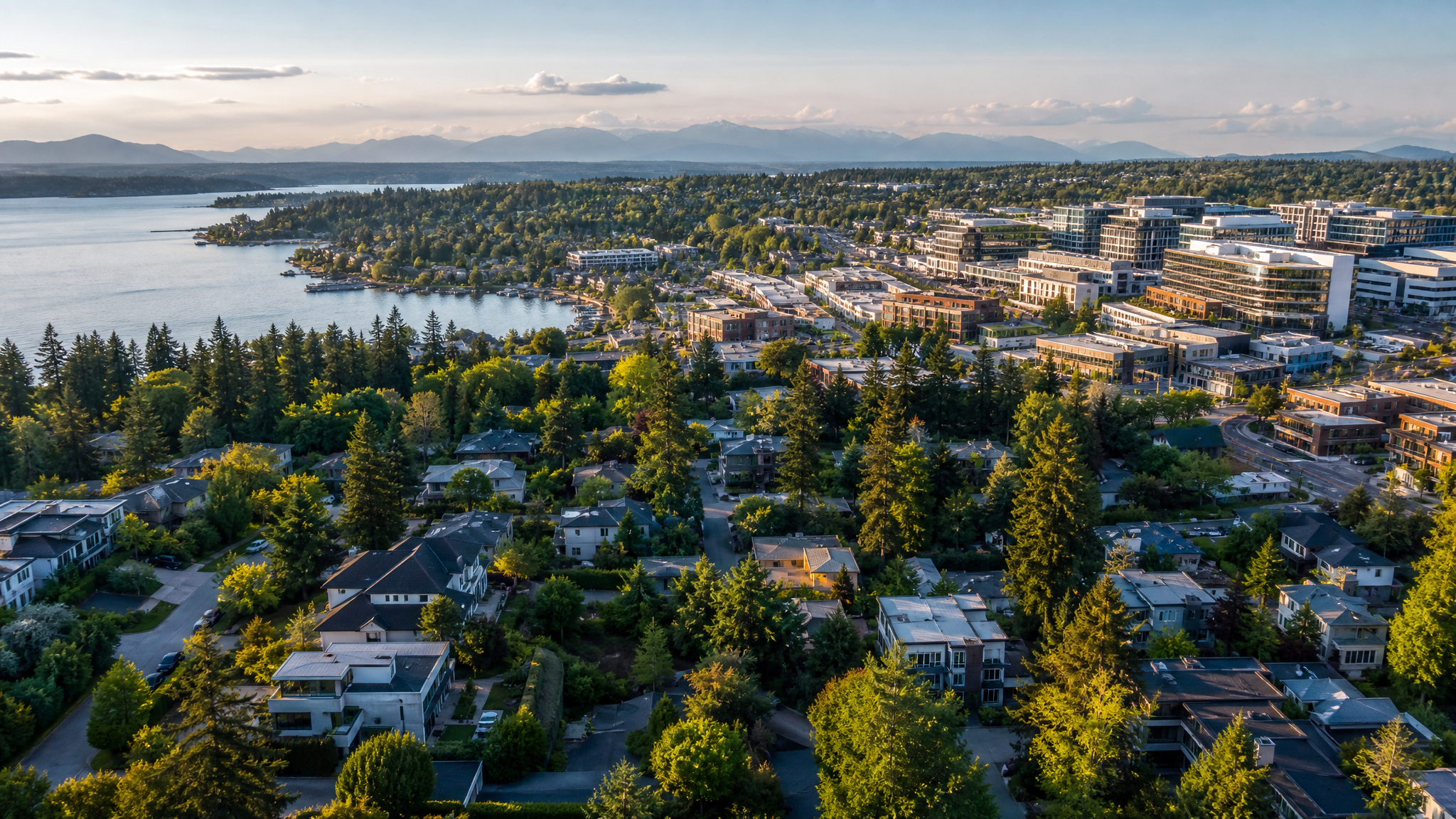
The Seattle metropolitan area, encompassing North Seattle, South Seattle, Bellevue, and the greater Eastside, has become one of the most dynamic hubs for technology professionals in the United States. With giants like Amazon, Microsoft, Google, and Facebook anchoring the region, tech employees face unique challenges and opportunities when it comes to choosing where to live—particularly as it relates to their daily commute.
This comprehensive analysis delves into the North Seattle vs. South Seattle tech commute landscape, focusing on the implications for tech employees looking to buy homes in Washington State. Whether you're a software engineer at Microsoft in Redmond, a product manager at Amazon in downtown Seattle, or a startup founder in Bellevue, understanding commute patterns, traffic data, and neighborhood dynamics can significantly influence your quality of life and home-buying decisions.
Additionally, we will explore strategic approaches to navigating the local real estate market, highlight specific examples with actionable advice, discuss tax implications relevant to tech workers, and introduce how working with industry experts like Peter J Kim and leveraging perks such as The Ridiculous Tech Package (up to 1% commission rebate) can optimize your home purchase experience.
---
## Key Strategies for Tech Employees Navigating the Seattle Commute
### Understand Your Work Location and Commute Preferences
The Seattle tech ecosystem is geographically dispersed:
- **Amazon**: Primarily Downtown Seattle and South Lake Union (SLU)
- **Microsoft**: Main campuses in Redmond (Eastside)
- **Google**: Offices in South Lake Union and Kirkland
- **Facebook/Meta**: Offices in Bellevue and downtown Seattle
Your choice between North Seattle and South Seattle often hinges on proximity to your workplace and your tolerance for commuting time versus housing costs.
### Utilize Data-Driven Commute Analysis
According to the Washington State Department of Transportation (WSDOT), the average Seattle commuter spends approximately 28 minutes commuting one-way, with peak hours seeing congestion adding up to 10-15 minutes or more. Commute times vary significantly depending on routes:
- **North Seattle to Downtown Seattle**: Approximately 20-30 minutes by car during peak hours; 30-40 minutes via Link Light Rail.
- **South Seattle to Downtown Seattle**: Usually faster by car (15-25 minutes), but public transit options can vary.
- **Eastside to Downtown Seattle**: Depending on traffic, commutes can extend to 30-45 minutes, especially on I-405.
Understanding these nuances helps tech employees decide whether to prioritize proximity, affordability, or lifestyle.
### Prioritize Transit Options and Flexibility
The expansion of Seattle’s Link Light Rail, Sound Transit bus services, and growing network of bike lanes offers alternatives to driving. However, transit accessibility varies:
- North Seattle neighborhoods like Ballard and Greenwood have increasing transit options but still rely heavily on buses.
- South Seattle, including Rainier Valley and Beacon Hill, benefits from Link Light Rail stations, providing rapid access to downtown.
- Bellevue and Redmond are expanding transit with new light rail lines expected by 2024-2025.
Tech employees should consider how transit availability aligns with their work schedules and lifestyle preferences.
### Evaluate Housing Costs Versus Commute Trade-offs
Housing affordability remains a critical factor. According to Zillow (2024), median home prices are:
- **North Seattle**: ~$850,000
- **South Seattle**: ~$700,000
- **Bellevue/Eastside**: $1.2 million+
North Seattle offers proximity to tech hubs like SLU but at a premium. South Seattle provides more affordable housing but may increase commute times depending on work location.
---
## Specific Examples: North Seattle vs South Seattle Commutes for Tech Employees
### Example 1: Software Engineer at Amazon Downtown Seattle
- **North Seattle Option**: Living in Ballard (~7 miles from downtown)
- **Commute**: 25-35 minutes driving during peak hours; 40 minutes transit via buses.
- **Pros**: Access to trendier neighborhoods, waterfront parks, and vibrant community.
- **Cons**: Higher housing prices, heavier traffic on bridges.
- **South Seattle Option**: Living in Columbia City (~6 miles from downtown)
- **Commute**: 15-20 minutes driving; 20-25 minutes via Link Light Rail.
- **Pros**: More affordable housing, direct light rail access to downtown.
- **Cons**: Fewer amenities compared to North Seattle; some areas less developed.
### Example 2: Product Manager at Microsoft Redmond Campus
- **North Seattle Option**: Living in Green Lake (~10 miles west of Redmond)
- **Commute**: 30-40 minutes driving via I-5 and I-405.
- **Pros**: Established neighborhood with strong amenities.
- **Cons**: Longer commute, especially during peak hours; traffic on key corridors.
- **South Seattle Option**: Living in Renton (~10 miles south of Redmond)
- **Commute**: 25-35 minutes driving; fewer transit options.
- **Pros**: More affordable housing; growing community.
- **Cons**: Limited public transit; longer drive time depending on traffic.
### Example 3: Startup Employee in Bellevue
- **North Seattle Option**: Living in Wallingford (~8 miles northwest of Bellevue)
- **Commute**: 25-35 minutes driving; limited transit options.
- **Pros**: Vibrant neighborhood, walkability.
- **Cons**: Longer commute, high housing prices.
- **South Seattle Option**: Living in Mercer Island (~5 miles south of Bellevue)
- **Commute**: 15-25 minutes driving.
- **Pros**: Scenic, quieter community; shorter commute.
- **Cons**: Premium housing prices.
---
## Tax Implications for Tech Employees Buying Homes in Washington State
### Washington State’s Tax Landscape
Washington State does not have a personal income tax, which is advantageous for high-earning tech employees. However, other taxes and considerations include:
- **Property Taxes**: Average effective property tax rate in King County is approximately 1.0% of assessed home value.
- **Real Estate Excise Tax (REET)**: Paid on the sale of property; rates vary but typically 1.28% for King County.
- **Capital Gains Tax**: Washington recently enacted a capital gains tax (7% tax on gains above $250,000), but it does not apply to primary residence sales.
### Mortgage Interest and Property Tax Deductions
While federal tax reforms have capped state and local tax (SALT) deductions at $10,000, tech employees purchasing higher-priced homes can still benefit from mortgage interest deductions, especially in the early years of a mortgage.
### Impact of Commuting Costs on Tax and Budget
Longer commutes can increase transportation expenses, which are not directly tax-deductible but affect your overall budget. Considering employer commuter benefits or tax-advantaged transit passes (if offered) can help offset these costs.
---
## Action Steps for Tech Employees Considering North vs South Seattle Home Purchases
### 1. Define Your Priorities
- Assess your tolerance for commute length versus housing cost.
- Consider lifestyle preferences: neighborhood amenities, schools, community vibe.
- Evaluate flexibility in work arrangements (remote/hybrid options).
### 2. Analyze Commute Options
- Use tools like Google Maps and WSDOT traffic data to estimate real-world commute times.
- Explore transit routes, including bus and Link Light Rail availability.
- Consider alternative commute modes: biking, carpooling, or telecommuting.
### 3. Engage a Real Estate Expert Specializing in Tech Employees
- Partner with an agent familiar with tech commute patterns and neighborhoods to find homes aligned with your needs.
- Peter J Kim, a recognized Seattle-area real estate professional, offers expertise tailored to tech buyers.
- Take advantage of **The Ridiculous Tech Package**, which provides up to a 1% commission rebate—saving you thousands on your home purchase.
### 4. Financial Preparation
- Get pre-approved for a mortgage to understand your price range.
- Factor in property taxes, insurance, and commuting costs.
- Investigate first-time homebuyer programs or down payment assistance if applicable.
### 5. Visit and Evaluate Neighborhoods
- Spend time in prospective neighborhoods during commute hours.
- Assess commute feasibility, local amenities, and community feel.
### 6. Negotiate Smartly
- Work with your agent to identify homes with potential for negotiation.
- Utilize market data to make competitive offers without overpaying.
---
## Conclusion
Choosing between North Seattle and South Seattle involves a complex balance of commute time, housing affordability, lifestyle preferences, and workplace location. Tech employees in Washington State stand to benefit enormously from a data-driven approach that evaluates real-world commute conditions alongside personal priorities.
Partnering with knowledgeable professionals like Peter J Kim can streamline this process and provide access to exclusive benefits such as **The Ridiculous Tech Package**, delivering up to a 1% commission rebate on home purchases—a significant financial advantage in today’s competitive market.
If you’re a tech professional ready to make an informed home-buying decision in the Seattle area, don’t hesitate to reach out for expert guidance tailored to your unique commute and lifestyle needs.
---
**Contact Information:**
Email: [email protected]
Phone: 425-409-3823
Neighborhoods7 min readDecember 27, 2025
North Seattle vs South: Tech Commute Analysis
PK
Peter J Kim
Real Estate Specialist

The Seattle metropolitan area, encompassing North Seattle, South Seattle, Bellevue, and the greater Eastside, has become one of the most dynamic hubs for technology professionals in the United States....
Tags
AmazonMicrosoftGoogleMetaZillow
Ready to Make Your Move?
Get exclusive access to The Ridiculous Tech Package - up to 1% commission rebate and moving services.